Solar and battery storage across Aberdeen and Aberdeenshire
Honest advice, straightforward explanations and a solar and battery system designed around your household needs - not a standard package.
Whether you're looking to reduce electricity costs, make better use of the energy you generate or prepare for an EV, we'll help you understand what makes sense for your home.
There’s no one-size-fits-all solar system. What works best depends on your electricity use, roof space and orientation, when you use energy and whether your needs are likely to change.
That’s why we start by understanding how your household uses energy before recommending a system.
Solar can help reduce the electricity you need to buy during the day. We'll look at how much energy your home uses and when you use it, then recommend a system sized around that.
A battery can store energy generated during the day for use later, but it isn't automatically right for every home. We'll look at your usage and explain whether adding battery storage is likely to benefit you.
Planning for an EV or expecting your electricity use to increase? Thinking ahead now can help make sure the system you install today supports how you'll use energy in the future.
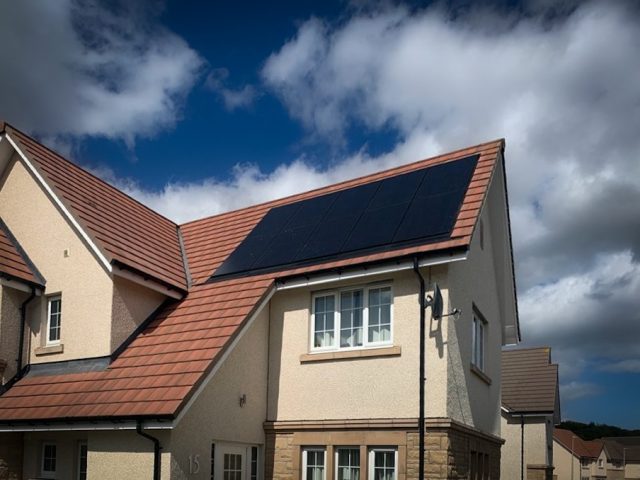
As a guide, a popular home solar and battery setup might include:
14 × 450W solar panels
5kW hybrid inverter
2 × 5.14kWh batteries
* Subject to full survey and DNO approval. Every home and household is different, so the final system design and cost will depend on factors including roof suitability, electricity usage, and battery storage requirements.
Solar panels generate electricity during daylight hours. Your home uses that electricity first, reducing the amount you need to buy from the grid.
If your panels generate more electricity than you're using at that time, battery storage can allow some of that energy to be stored and used later — for example, in the evening.
But a battery isn't automatically the right choice for every home.
We'll look at when and how you use electricity and help you understand whether solar alone, solar with battery storage, or another approach makes most sense for you.
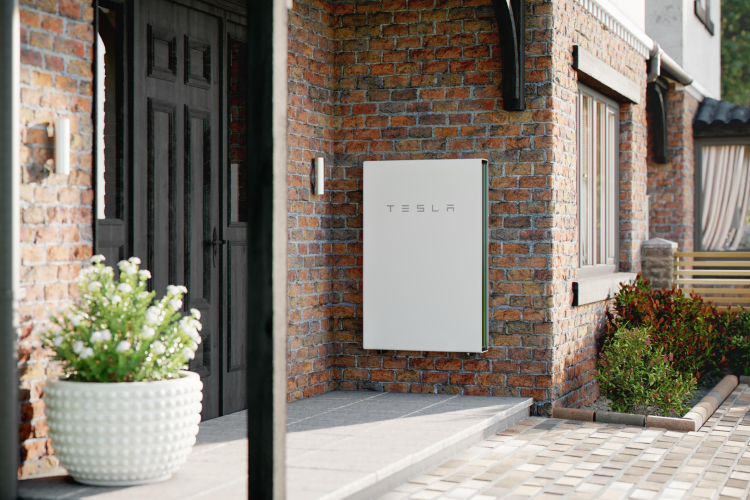
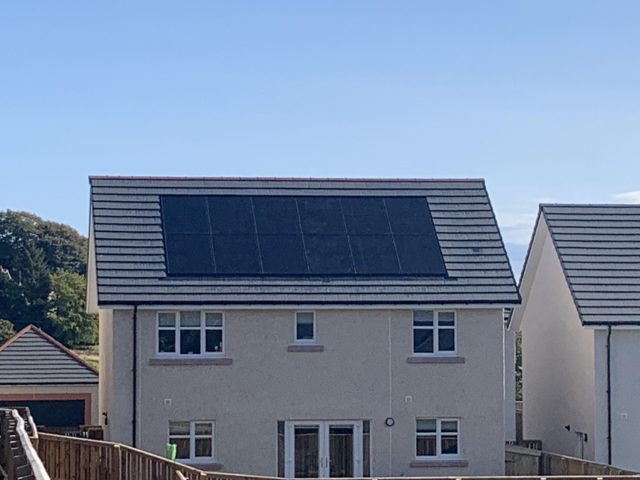
Every home and household is different. Magdalene in Stonehaven and Mike in Aberdeen had different priorities when considering solar for their homes - from energy savings and aesthetics to future flexibility. See why they chose ORKA and hear about their experience.
Solar panels can be a worthwhile investment for many homes, particularly if you can use a good proportion of the electricity you generate.
How much you could benefit depends on factors including your electricity use, roof space and orientation, when you use energy and the system that can be installed. Rather than relying on generic savings figures, we’ll look at your home and energy use to help you understand what solar could realistically achieve for you.
There isn't a standard number of solar panels that's right for every home. The size of your system will depend on factors including your electricity use, available roof space, roof orientation and what you want the system to achieve.
We'll assess these factors and recommend a system that's appropriate for your home rather than simply trying to fit as many panels as possible.
No. Solar panels can work perfectly well without battery storage. Your home uses the electricity your panels generate while it's being produced, with any additional electricity you need coming from the grid.
A battery allows you to store some of the electricity you generate for use later, which can be useful if much of your electricity use happens when your panels aren't generating. We'll look at how and when you use energy to help determine whether battery storage is likely to benefit your home.
In many cases, yes. Battery storage can often be added to an existing solar PV system, although the right approach will depend on the system already installed and what you want the battery to achieve.
We can assess your existing solar system and electricity use and explain the options available, including whether adding battery storage makes sense for your home.
In many cases, solar panels can be installed on a home without applying for planning permission because they fall within permitted development rights.
There are exceptions, however, particularly for listed buildings, homes in conservation areas and some installations where the position or design of the panels may be restricted. We'll help identify whether there are any planning considerations for your property before installation.
A standard grid-connected solar PV system will normally switch off during a power cut for safety, even if the panels are generating electricity.
Some systems can be designed with backup or Emergency Power Supply (EPS) capability, allowing selected circuits in your home to continue using stored energy during an outage. If backup power is important to you, we'll discuss this when designing your system and explain what the system can — and can't — power.
Tell us a little about your home and how you use electricity. We’ll help you understand whether solar, battery storage or a combination of the two could be right for you.

ORKA are efficient, knowledgeable, and very easy to deal with. Everyone who worked on our installation was tidy and respectful of our property. The installation was quick, neat and tidy and everyone was friendly and approachable. We have already recommended ORKA to friends and family.
When you’re investing in solar panels or battery storage for your home, it’s important to know you’re dealing with a reputable installer. ORKA is MCS certified, NICEIC approved and a member of the Renewable Energy Consumer Code (RECC), providing reassurance around both the technical standards of your installation and the way you’re supported as a customer.